
Teaching & Careers
What every Physical Education teacher deserves (and rarely gets)
9 min read
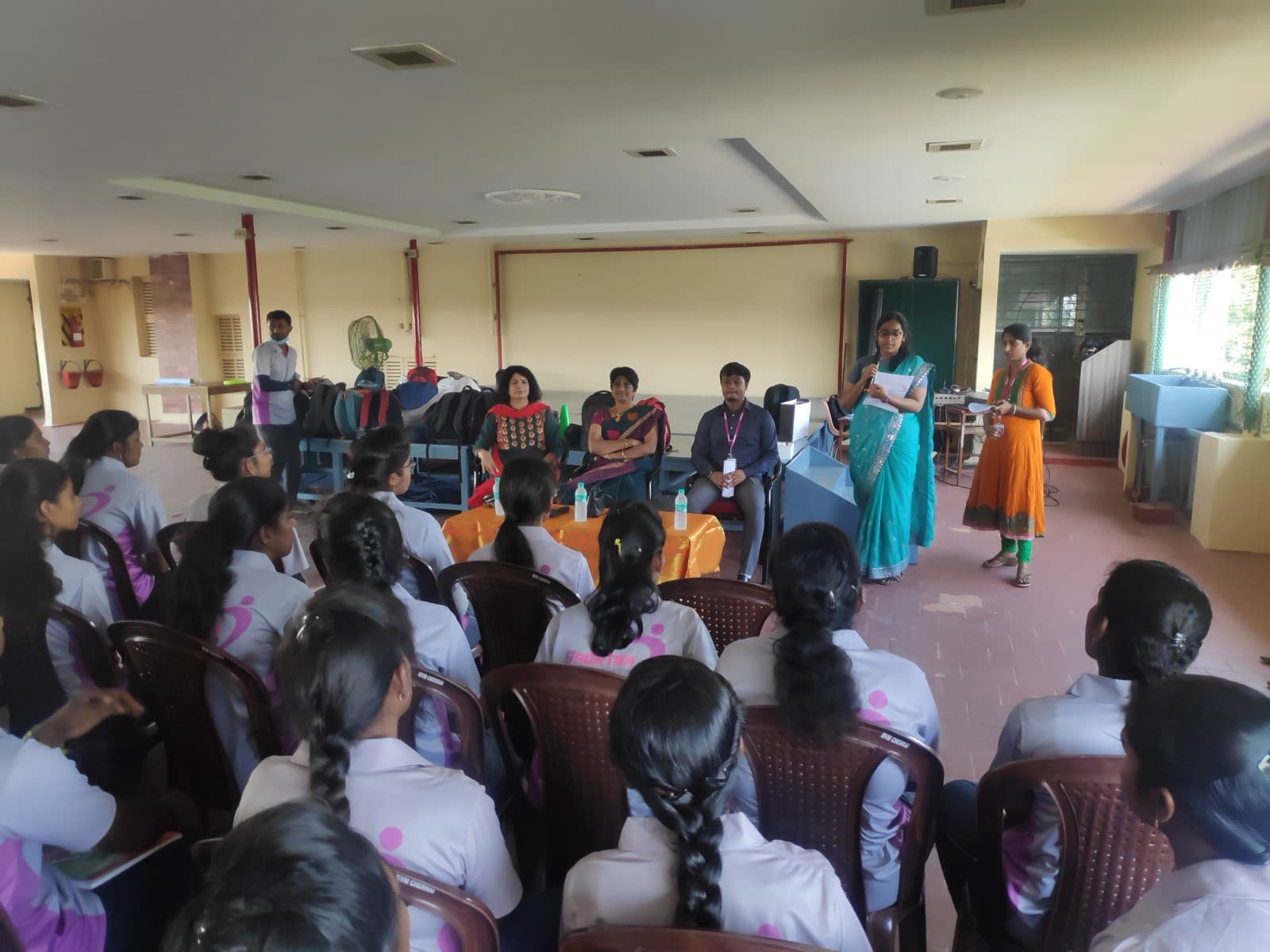
Physical Education teachers carry more than a period on the timetable. They shape movement, confidence, discipline, teamwork, and the first spark of sporting talent. In one working day, they may handle a junior class that still struggles with basic coordination, a middle-school group full of mixed energy and uneven fitness, and a senior batch preparing for interschool competition - often on the same ground, with the same limited equipment, and with very different emotional needs. They manage crowded spaces, safety risks, low-motivation students, high-pressure parents, Sports Day expectations, and the quiet student who never gets picked - all before lunch. And yet, why does Sports rarely get the nurturing it deserves? At the centre of that gap is a simple truth: we ask Physical Education teachers to do specialised work without giving them specialised support.
The real job is bigger than “conducting games”
On paper, the role can look simple: run games, keep children active, prepare the annual sports showcase. In reality, a strong Physical Education teacher is expected to be many professionals at once:
- a movement educator who understands age-appropriate development
- a classroom leader who can hold attention without a blackboard
- a psychologist who reads confidence, fear, aggression, and withdrawal in real time
- a coach who can progress skills without crushing enjoyment
- a safety officer who anticipates injury risk before it becomes an incident
- a talent scout who notices potential early and nurtures it appropriately
- a team builder who creates belonging for children who are not natural athletes
- a school representative when results, medals, and parent perception are on the line
That is not “free period work.” That is professional work with physical, emotional, and developmental consequences. Yet too often, Physical Education teachers are left to figure it out alone - through instinct, improvisation, and vague theoretical knowledge.
What a typical PE period demands
Walk into a regular school Physical Education class and the complexity becomes obvious: One group is ready to compete; another is anxious about looking “bad” in front of peers. A few students dominate every game; a few hang back near the boundary. Someone has asthma. Someone is returning from injury. Someone is brilliant at movement but never gets structured feedback. Someone is disengaged because PE has always meant embarrassment. The teacher has 35 - 40 minutes. In that window, they must warm students up safely, teach something meaningful, keep the class orderly, protect dignity, manage equipment, prevent chaos, and somehow leave children wanting to come back. If the teacher only knows drills, the class becomes mechanical. If the teacher only knows games, learning becomes accidental. If the teacher has no psychology toolkit, behaviour takes over the lesson. If the teacher has no biomechanics foundation, cues stay vague: “run faster,” “throw better,” “try harder.” If the teacher has no injury readiness, one fall can turn into panic. This is why a specialized skillset matters. Not because teachers are incapable - but because the job is genuinely demanding.
What PE teachers rarely get
1. Professional development built for their subject
Generic teacher workshops exist. Motivational seminars exist. What is still rare is continuous, practical, school-specific upskilling that helps a Physical Education teacher handle real constraints: large batches, mixed ability, limited space, limited time, and the responsibility of accurately identifying and nurturing sports talent.
2. A shared standard for quality
Without a common framework, PE quality rises and falls with individual personality. One energetic teacher creates magic. The next year, the same slot becomes unstructured play. Students experience PE as luck of the draw, not as a reliable part of education. Academics are not run this way. Physical Education should not be either.
3. Recognition as specialists
Too often, Physical Education teachers are treated as event managers, ground supervisors, or discipline backup - not as educators responsible for physical literacy, wellbeing, confidence, and talent pathways. When the role is undervalued, investment is overlooked. When investment is weak, quality becomes uneven. When quality is uneven, schools conclude “PE is hard to standardise” - and the cycle continues.
4. Tools for school realities
Many training resources assume ideal conditions: small groups, excellent facilities, specialised support staff, and long practice hours. Most school teachers work in a different reality. They need methods that work with what they actually have - not only what a high-performance academy has.
5. A professional pathway that grows with them
Teachers want to get better at their craft. They want deeper command of psychology, physiology, coaching methods, safety, and talent development. They want language and frameworks that put their skillset on par with modern standards in sports and Physical Education. They want a career identity that matches the responsibility they already carry.
What every Physical Education teacher deserves
Every Physical Education teacher deserves more than encouragement. They deserve capability. They deserve:
- training that respects the complexity of their role
- knowledge that is scientific and school-practical
- confidence in child psychology and sports psychology
- clearer movement coaching through biomechanics
- methods for inclusion, recreation, and full-class participation
- structured approaches to talent identification and team building
- readiness for emergencies, injuries, and first aid
- nutrition and physiology literacy that improves training decisions
- a certificate pathway that signals real professional growth
- support that strengthens both the teacher and the school system
This is why Sportsa built TPET
TPET — Train the Physical Education Teachers is Sportsa’s response to this gap. It is a professional development certification course for Physical Education educators and aspirants who want stronger tools, sharper methods, and a more professional pathway. TPET is online and self-paced, with state-of-the-art LMS learning, structured assessments, thoughtfully-designed curriculum, extensively-researched content, and a professional certificate on successful completion. It was built around the real demands of school Physical Education - not abstract theory disconnected from the ground, and not a “teacher training” label pasted onto generic sports content. TPET is designed with real heart, and a real intention to better serve, equip and empower educators. It exists for one clear reason: if we want better Physical Education outcomes, we must strengthen the people delivering Physical Education.
What TPET actually strengthens
TPET sharpens the capabilities Physical Education teachers are already expected to use every week - and turns them into structured professional learning.
1. Employability and soft skills
A great PE class is also a leadership environment. Teachers need presence, communication, professionalism, conflict handling, and the ability to work with principals, parents, and colleagues. This foundational module strengthens the professional side of the role - not only the sporting side.
2. Child psychology
Children do not enter the ground as blank athletes. They enter with confidence issues, peer pressure, fear of failure, overexcitement, withdrawal, and different developmental needs. Child psychology helps teachers respond to the child, not only the drill.
3. Sports psychology
Focus, motivation, anxiety, teamwork, resilience, and performance under pressure are not mere fluff. Mindset defines on-ground performance, and an educator must transcend physical knowledge and evolve to include psychological knowledge.
4. Exercise physiology and nutrition
Effort without understanding has limits. When teachers understand energy, recovery, load, and basic nutrition principles, sessions become safer and smarter. Students train with purpose instead of random intensity.
5. Talent identification and team building
Talent is not only “who wins today.” It includes coachability, coordination, courage, consistency, game sense, and the ability to grow. This module helps teachers spot potential earlier - and build teams that develop people, not only line-ups.
6. Sports biomechanics
Better cues create better movers. Biomechanics helps teachers replace vague instruction with clearer guidance on form, efficiency, and safer technique. That improves learning quality and reduces avoidable strain.
7. Athletics selections
Selections should feel structured, fair, and developmental - not political or purely popularity-based. Teachers need a cleaner pathway from observation to opportunity.
8. Emergencies, injuries, and first aid
Every PE teacher is also a first responder in waiting. Readiness here is not optional. It protects students, supports school trust, and gives teachers confidence when seconds matter.
9. Recreation in Physical Education
Not every period is high-performance training - and it should not be. Recreation builds joy, inclusion, belonging, and lifelong activity habits. A strong PE culture needs both seriousness and play.
10. Health & fitness
Body awareness, breath, regulation, mobility, and balance give teachers another practical layer for student development — especially in schools balancing fitness, focus, and wellbeing. Together, these modules do something important: they treat Physical Education teaching as a full profession, not a timetable gap.
What changes when teachers are trained this way
When a Physical Education teacher grows, the shift shows up quickly. In the classroom
- sessions have clearer structure
- more students participate meaningfully, not only the dominant few
- instructions become sharper
- behaviour management improves because engagement improves
- children feel seen, not sorted into “sporty” and “non-sporty”
In the school
- PE becomes more consistent across classes and grades
- safety readiness improves
- Sports Day stops being the only visible PE story
- principals get a more reliable system, not teacher-dependent improvisation
- parents see purposeful activity and professional handling of children
In the talent pathway
- potential is noticed earlier
- feedback becomes developmental
- school teams are built with more intention
- students who need time are not discarded too early
- India’s base of sporting development gets stronger where it matters most: the school ground
This is why TPET is not only a course for individual career growth. It is a school-level upgrade with national sporting relevance.
Who TPET is for
For Physical Education teachers and aspirants
TPET is for you if you want to:
- teach with greater clarity and confidence
- stop relying only on personal trial-and-error
- handle mixed-ability groups with better methods
- deepen your expertise in psychology, movement, and safety
- strengthen your professional standing
- become the educator students remember for the right reasons
For school leaders
TPET is for your team if you want:
- higher-quality Physical Education teaching across the week
- more engaged students and stronger participation
- earlier, fairer talent identification
- better safety and injury readiness
- a staff body that is trained, not just assigned
- a PE culture that supports both wellbeing and performance
Because Physical Education quality should not depend on one heroic teacher. It should be a school standard.
The standard we should stop accepting
We cannot keep saying India needs stronger sports outcomes while leaving Physical Education teachers under-supported. We cannot celebrate podium moments at the top while ignoring the daily professionals at the base. We cannot call Physical Education “important” in brochures while giving it the least structured development pathway in the school. And we cannot expect teachers to deliver modern, student-centred, safety-aware, talent-sensitive PE without giving them modern professional development. Physical Education teachers deserve better. Students deserve better. Schools deserve better. India’s sporting future deserves better. TPET exists to help close that gap — practically, professionally, and with respect for the people doing the work. If you are a teacher, this is your pathway to stronger craft. If you are a school, this is how you invest in the adults who shape every PE period your students will remember.
For enquiries, reach out to contact@sportsaglobal.com — whether you are an individual teacher looking to get certified, or a school looking to upskill your staff. Let’s raise the bar for Physical Education. Starting with the teachers who carry it.